Economy, institutions and gender: two talks on Taiwan’s development
SOASThornhaugh Street, Russell Square
Tue 6 Oct · 19:00
About this event
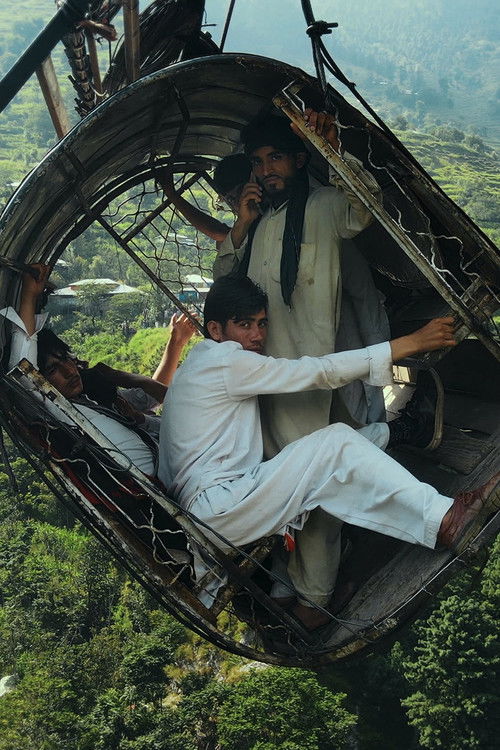
The Centre of Taiwan Studies is delighted to welcome Professor Tsong-Min Wu and Professor Elliott Fan from National Taiwan University for two talks exploring Taiwan’s economic transformation, institutional development and distinctive trajectory of female empowerment. 'Institutions and Economic Growth in Taiwan: A Four-Century History', Professor Tsong-Min Wu This talk explains how institutions shaped Taiwan’s transformation from a traditional agricultural economy into a modern economic success, focusing on three critical turning points – 1895, 1945, and 1960 – each marked by fundamental institutional change. Reforms under early Japanese rule laid the foundations for modern economic growth, while postwar economic controls from 1945 to 1959 led to stagnation and hyperinflation. Taiwan’s post-WWII economic miracle resulted not from protective industrial policies, but from the comparative advantage created by the market-oriented reforms of 1960, made possible by US economic aid. Taiwan’s experience suggests that sustained growth requires policymakers with a basic understanding of economics, a condition that may be particularly difficult to achieve in developing countries. 'An East Asian Outlier: The Roots of Female Empowerment in Taiwan', Professor Elliott Fan Despite sharing similar post-war economic growth and Confucian cultural roots with Japan and South Korea, Taiwan has emerged as a distinct outlier in female empowerment, featuring significantly higher political representation and a narrower gender wage gap. Historical analysis reveals four critical forces: the colonial sugar boom, which spiked female labor demand and unraveled foot-binding; post-war immigration of mainland elites carrying more egalitarian norms; electoral gender quotas that promoted female political participation; and an economy centered on small and medium enterprises (SMEs) that provide advantages for females. Together, Taiwan’s experience offers crucial empirical insights for policy design and gender equity for developing nations. Image credit: Thomas Tseng via Unsplash

Follow the thread
If this is your kind of night, these are other ways in: a collection this venue belongs to, traditions it works in, and similar talks still playing in London this week.
This venue’s world
This venue sits in the collection, not this one title.
Traditions this room works in
Tags on the venue. Other London rooms carry the same lineage. Not a claim that this film invented the tradition.
Also playing this week
Same kind of night (talks) in London. Spread across the week, not a ranking.

A different kind of night
Same city and close on taste. A different discipline, on purpose.